Located near Market District by Giant Eagle Supermarket at the corner of Sawmill Parkway and Powell Road
Understanding Myopia Control in Children’s Eye Care
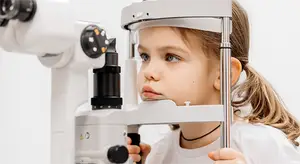
Many parents first notice myopia when a child begins squinting at the classroom whiteboard, sitting closer to the television, or holding books unusually close. While these signs often point to a need for vision correction, they may also indicate a condition that deserves closer attention.
At Powell Vision Center, we believe informed parents make confident decisions. Understanding myopia, starting with a pediatric eye exam, is the first step toward supporting a child's vision today and eye health in the years ahead.
Why Does Myopia Cause Blurry Vision?
Myopia, commonly called nearsightedness, is a vision condition in which people can see nearby objects clearly while distant objects appear blurry.
It develops when the eye grows too long from front to back. As light enters the eye, it focuses in front of the retina rather than directly on it, causing distant objects to appear out of focus.
Common Signs of Myopia in Children
Parents may notice that their child:
- Squints to see distant objects
- Sits close to screens or televisions
- Holds books very close while reading
- Struggles to see classroom presentations or whiteboards
- Experiences headaches or eye fatigue
- Shows declining interest in distance-based activities
Because children often adapt to blurry vision, routine eye exams remain one of the best ways to detect myopia early.
What Causes Myopia?
Researchers believe myopia develops through a combination of genetic and environmental factors.
Is Myopia Genetic?
Yes. Children with one or both parents who have myopia are more likely to develop the condition themselves.
Genetics influences how the eye grows, which can increase a child's risk of becoming nearsighted.
Do Screens & Reading Increase Risk?
Near-work activities such as reading, homework, computer use, and digital device use may contribute to progression in children who are already predisposed to the condition.
Researchers continue to study this relationship, but prolonged close-up visual tasks appear to play a role alongside genetic factors.
Does Outdoor Time Help?
Studies have shown that spending more time outdoors may support healthy visual development in children.
Outdoor activities encourage children to focus at varying distances and increase exposure to natural light, both of which are associated with lower rates of progression.
For families in Powell, outdoor recreation, sports, and active play can be valuable parts of a child's healthy routine.
Why Is Progressive Myopia a Concern?
Many parents think myopia simply means stronger glasses over time. The greater concern is that as the eye lengthens, the risk of certain eye diseases increases.
Vision Health Risks
- Retinal detachment
- Glaucoma
- Myopic maculopathy
- Cataracts earlier in life
This connection is why eye doctors focus on managing progression rather than only updating prescriptions.
When to Book Your Child’s Eye Exam in Powell, OH
Children rarely recognize that their vision has changed. Early diagnosis creates more opportunities to manage progression and support healthy visual development.
Using advanced diagnostic technology and personalized treatment plans, our team helps parents understand their child's vision needs and available management options. We believe education and early intervention can make a meaningful difference in protecting long-term eye health.
If you've noticed signs of nearsightedness or your child's prescription continues to change, schedule an eye exam with our team.
Frequently Asked Questions
Can Myopia Be Prevented?There is no guaranteed way to prevent myopia. However, regular eye exams, healthy visual habits, and increased outdoor activity may support healthy eye development.
At What Age Does Myopia Usually Start?Myopia commonly develops between the ages of six and twelve, though it can appear earlier or later depending on the child.
How Often Should Children Have Eye Exams?Children should receive comprehensive eye exams annually. Children with myopia may benefit from more frequent monitoring.